

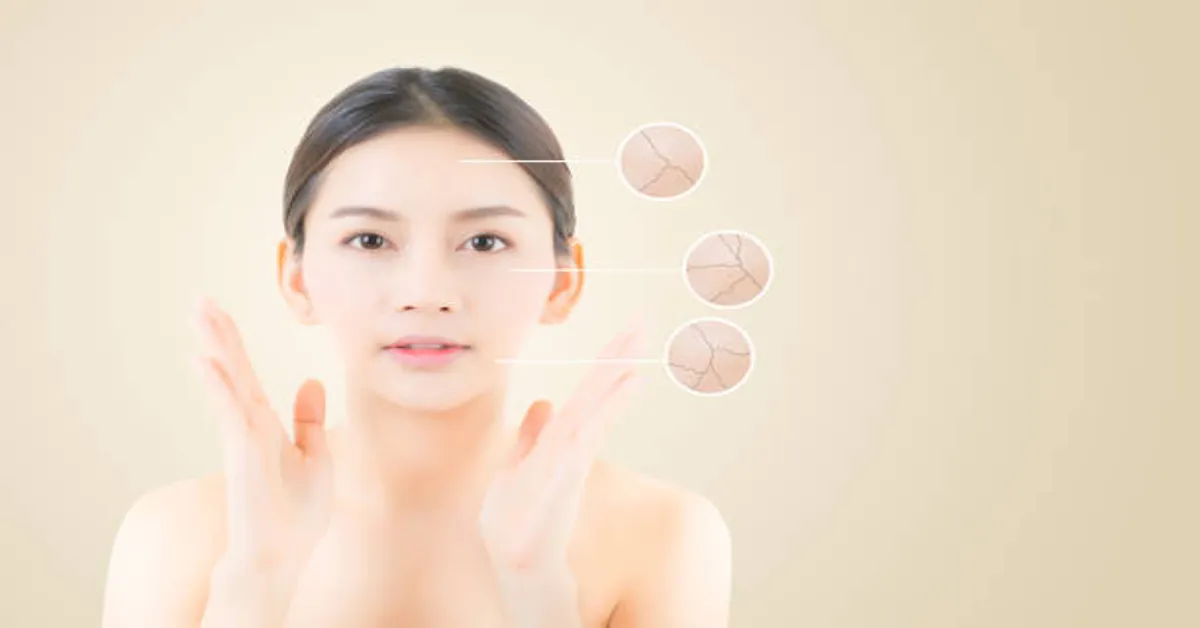
The term serumcu may not be widely recognized in formal dictionaries, but within various industry circles and social conversations—especially those connected to personal care, beauty, wellness, and pharmaceutical distribution—it carries meaningful weight. Derived from the root word serum, which relates to concentrated fluids used in skincare, medicine, and biological sciences, serumcu colloquially refers to a person or business involved in the distribution, sale, production, or heavy usage of serums. This can include skincare professionals, cosmetic distributors, beauty influencers, and suppliers.
In Turkish, the suffix “-cu” often denotes a person engaged in a specific trade or occupation. Thus, “serumcu” can literally be translated as “serum person” or “serum dealer,” though it is best interpreted as someone whose work or interest revolves around serums. This could be in a scientific, commercial, or practical context. To understand the relevance of serumcu, one must first understand the broad utility of serums and the sectors in which they are used.
In this comprehensive article, we will explore the many dimensions of serumcu: what it means, how it functions in various industries, the types of serums that are typically involved, the value brought by people in this role, and the future implications for consumers and professionals. This guide aims to provide readers with a deeper appreciation of the term and how it manifests in everyday applications ranging from skincare to clinical treatments.
What is a Serum and Why Does It Matter?
Before diving into who a serumcu is, we must understand what a serum is and why it plays such a significant role in modern wellness and healthcare practices. A serum, in general terms, is a concentrated solution of active ingredients that deliver targeted benefits. In biochemistry, it might refer to blood serum, which is the clear fluid that remains after blood has clotted, rich in proteins and antibodies. In the cosmetic industry, a serum is a product applied to the skin to deliver powerful active ingredients like vitamins, antioxidants, peptides, and acids for skincare benefits.
The key characteristic of a serum is its high potency and low viscosity. Unlike creams or lotions that include thickening agents, serums are designed for rapid absorption and deeper penetration into the skin or body. They are often used to address specific concerns such as aging, hydration, pigmentation, inflammation, or acne.
Medical serums may include antibody serums, immunoglobulin serums, or intravenous hydration serums used in hospitals to treat dehydration, nutrient deficiency, or infection. These applications make serums highly valuable in both beauty and medical contexts, and as such, the term serum cu encapsulates roles and functions that intersect these domains.
The Role and Identity of a Serumcu
A serumcu, then, is a person or business entity that is deeply involved with serums—either by selling them, manufacturing them, using them professionally, or distributing them to end users. Depending on the context, a serum cu might function as:
- A Skincare Professional: Dermatologists, aestheticians, and beauty therapists who use serums as part of their treatment plans for clients are modern examples of serumcus. Their expertise lies in understanding the formulations, choosing the right serums for different skin types, and applying them correctly to yield visible results.
- A Product Reseller or Distributor: Businesses or individuals that specialize in sourcing, importing, or retailing serums to the public or to clinics may also be termed serumcus. These may include online beauty shops, pharmaceutical retailers, or health-focused marketplaces.
- A Cosmetic Chemist or Formulator: On the production side, scientists and developers who design serum formulas—especially those customized for specific skin conditions or treatment goals—are the backbone of the serum industry. They could be called serumcus by virtue of their specialized role in creating high-performance serums.
- A Healthcare Worker or Pharmacist: In hospitals and clinics, professionals who administer intravenous serums or advise on their use are integral to patient recovery and wellness. They ensure that the proper serum is used based on clinical diagnosis, and are often trained in medical protocols involving serum therapy.
- A Social Influencer or Educator: In today’s digital age, content creators who specialize in beauty and wellness education—especially those who frequently recommend, review, or promote serums—also function as serumcus. They influence consumer choices, provide knowledge, and even partner with brands for launches and campaigns.
Thus, the term serum cu is flexible and rich, encompassing people who play a critical part in the serum lifecycle—from conceptualization and creation to application and distribution.
Types of Serums Commonly Handled by Serumcus
A serum cu may engage with various types of serums, depending on their specialty and target audience. Below are the most common categories of serums found in the market and healthcare systems.
1. Skincare Serums
These are the most widely known among the general public. Skincare serums often come in glass dropper bottles and are used after cleansing and before moisturizing. They are rich in concentrated actives that cater to specific skin concerns. Popular types include:
- Vitamin C Serums: Used for brightening skin and reducing pigmentation.
- Hyaluronic Acid Serums: Known for hydration and plumping effects.
- Retinol Serums: Popular for anti-aging and reducing fine lines.
- Niacinamide Serums: Effective for acne, inflammation, and skin texture.
- Peptide Serums: Help rebuild skin structure and improve elasticity.
Serumcus dealing in skincare usually have a strong grasp of ingredients and their impact on different skin types. They may work in retail, spa services, or direct-to-consumer e-commerce.
2. Medical or Intravenous Serums
These are administered via injection or IV drip in medical settings and include:
- Hydration Serums: Electrolyte-balanced solutions used to rehydrate patients.
- Antibody Serums: Often used in the treatment of diseases or as vaccines.
- Nutrient Serums: Contain vitamins, minerals, and amino acids for patients with deficiencies.
- Detox or Chelation Serums: Used for heavy metal detoxification or managing poisoning cases.
Serumcus in medical environments are expected to have formal education, clinical experience, and licensing. Their work impacts lives directly and requires precision and responsibility.
3. Hair and Scalp Serums
Haircare has seen a rising interest in specialized serums aimed at nourishing the scalp, reducing hair fall, or promoting growth. These products usually contain caffeine, keratin, castor oil extracts, or peptides designed to stimulate hair follicles.
4. Eyelash and Brow Serums
This niche has seen growing popularity. These serums promote the density and length of eyelashes and eyebrows through ingredients like biotin, peptides, and botanical extracts.
In all these domains, the serum cu plays a vital role in ensuring quality, knowledge-based recommendations, and safe usage practices.
Qualities of a Trusted Serumcu
Not everyone who sells or promotes serums qualifies as a trusted serum cu. There are certain qualities and qualifications that elevate someone from a casual seller to a respected professional in the field:
- Knowledge and Education: Understanding ingredients, skin biology, clinical implications, or cosmetic chemistry is essential.
- Ethical Standards: A good serum cu avoids misleading claims and respects customer safety and well-being.
- Transparency: Disclosing full ingredients, origin of products, and potential side effects builds customer trust.
- Customer Care: Offering personalized consultations or usage guidance enhances the user experience.
- Continuous Learning: As science and consumer needs evolve, the best serumcus stay updated with training, certifications, and industry news.
Being a serum cu is not just a commercial role—it is a position of trust and influence, especially in industries that impact health and personal appearance.
Challenges Faced by Serumcus
Like every profession, serumcus face certain obstacles in their work. Understanding these challenges helps consumers appreciate their efforts and also encourages serumcus to strive for ethical and informed practices.
- Counterfeit Products: Especially in beauty and wellness markets, fake or low-quality serums are rampant. Serumcus must be vigilant about sourcing genuine products.
- Consumer Skepticism: Due to misinformation or bad past experiences, many customers approach serums with doubt. It takes education and consistent results to win their trust.
- Over-Saturation of the Market: The serum market is booming, but not all products are equal. Serumcus must sift through many options to choose what truly delivers value.
- Regulatory Hurdles: Importing or selling serums may require compliance with health authorities, which adds to operational pressure.
- Changing Trends: What works today may not be in demand tomorrow. Serumcus need to stay current and adaptable in a fast-moving industry.
Despite these issues, a committed serum cu finds ways to serve with honesty, innovation, and professionalism.
The Future of the Serumcu Profession
The profession of serum cu is evolving with technological advancements, consumer awareness, and global trends in health and wellness. As demand for targeted, effective, and clean formulations grows, so does the need for qualified serumcus who can guide, educate, and innovate.
Smart serums embedded with biotechnology, AI-based skincare recommendations, and DNA-personalized products are emerging frontiers. Serumcus who invest in knowledge, digital skills, and product integrity will thrive in this dynamic space.
Moreover, as society shifts toward preventive healthcare and holistic self-care, the line between beauty, health, and wellness continues to blur. A serum cu may one day be as central to daily well-being as a pharmacist or nutritionist, offering support not just for appearance but also for internal health and vitality.
ALSO READ: Tex9.net: An In-Depth Exploration of the Future of Decentralized Technology Platforms
FAQs
1. What does the term serumcu mean?
Serumcu refers to a person or business involved in the production, sale, use, or distribution of serums in skincare or medical fields.
2. Is serumcu only related to skincare products?
No, serumcu can also refer to those dealing in medical serums, such as IV hydration, nutrient therapy, or antibody treatments.
3. Do I need qualifications to be a serumcu?
In the medical or formulation sectors, formal education is required. In skincare retail, knowledge and ethical standards are essential but not always regulated.
4. How can I identify a trustworthy serumcu?
Look for transparency, ingredient knowledge, genuine products, and customer reviews. Trusted serumcus often offer educational content or consultation.
5. Can I become a serumcu by promoting products online?
Yes, many influencers function as digital serumcus. However, ethical promotion, informed guidance, and safety awareness are crucial to credibility.