

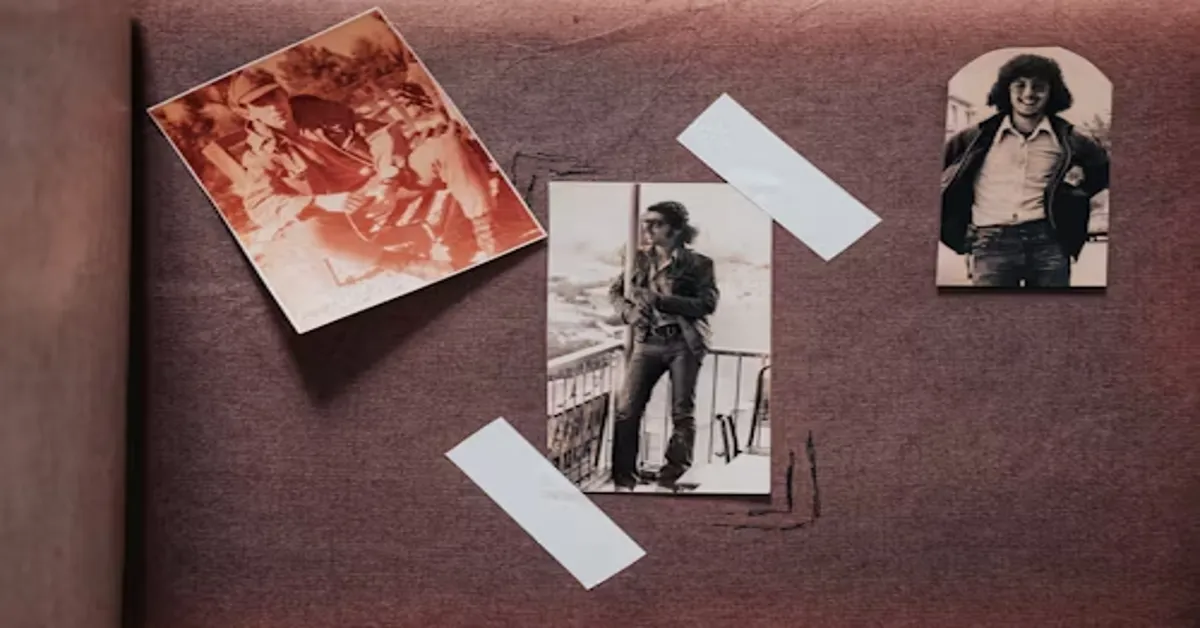
The name Daylin Ryder resonates with an air of mystery, charisma, and layered complexity. Whether viewed as a literary character, a cinematic protagonist, or a symbolic representation of modern resilience and ambition, Daylin Ryder’s story is one that captivates audiences. This article explores the entire narrative arc of Daylin Ryder—from early life and development through moments of triumph and despair, to cultural relevance, influence, and legacy.
Unlike many characters who serve a singular purpose in storytelling, Daylin Ryder stands as a multi-dimensional figure who evolves through conflicts, environments, and emotional landscapes. Crafted with depth, realism, and symbolism, Daylin’s story transcends genre limitations. Whether interpreted in fiction or symbolic commentary, Daylin Ryder remains unforgettable.
Origins: The Early Life of Daylin Ryder
Daylin Ryder’s story begins in the quiet, rugged town of Fenridge—a small, wind-swept community perched between mountains and forests. Born to a working-class family, Daylin’s upbringing was marked by hardship, resilience, and the indomitable spirit that defines many heroes in fiction and folklore. Daylin’s father was a mechanic and war veteran, while the mother was a schoolteacher known for her wisdom and empathetic nature.
From an early age, Daylin exhibited traits that would later define much of the adult persona: curiosity, a strong moral compass, and a tendency to question authority and challenge norms. An avid reader, Daylin developed a fascination with philosophy, ancient mythologies, and science fiction. These influences would later shape the layered personality and the decisions that defined Ryder’s journey.
Education was both an escape and a battleground for Daylin. While excelling in literature, ethics, and science, Ryder often clashed with conventional systems and teachers who failed to see beyond textbook dogma. This rebellious intelligence set the stage for the future: someone unwilling to accept the world as it is and constantly seeking what it could become.
The Defining Years: Personal Transformation and Conflict
Adolescence brought pivotal transformations. A personal tragedy—the sudden loss of Ryder’s younger sibling in an accident—changed the course of Daylin’s development. This tragedy did not break Daylin; instead, it planted the seeds of introspection, existential questioning, and the realization of life’s fragility.
Driven by grief and a desire to find purpose, Daylin ventured into new environments, leaving Fenridge behind to attend university in a major urban center. Here, Ryder encountered diversity in thought, background, and belief. This phase marked an evolution from a rural observer to an urban thinker and doer. Daylin studied psychology and journalism, simultaneously holding odd jobs to survive.
During this period, Daylin became an underground writer and speaker. Through columns, anonymous essays, and podcast appearances, Ryder began to challenge socio-political injustices, the hypocrisy in governance, and the psychological cost of modern living. These writings, often controversial, gained a cult following and eventually brought Daylin into both admiration and scrutiny.
The Catalyst: Daylin Ryder in the Public Eye
Ryder’s rise to public attention did not happen overnight. A defining moment came when Daylin exposed a major corporation’s unethical environmental practices through investigative journalism. The exposé, which revealed illegal dumping in indigenous territories, led to lawsuits, reform efforts, and government intervention.
This act, however, was not without consequence. Daylin received threats, was sued, and faced public trials. Yet, the courage and persistence shown during this time became symbolic for many. Ryder was no longer just a journalist or thinker but a representation of standing tall against power.
Capitalizing on this visibility, Daylin published the book “Truth in Shadows”, a philosophical memoir that intertwined personal pain with global issues. The book was both a commercial and critical success, hailed for its raw vulnerability and unapologetic critique of societal structures.
Artistic Expression and Cultural Commentary
Beyond writing and activism, Daylin Ryder explored the arts—filmmaking, music, and experimental theater. This multidimensional approach reflected Daylin’s belief that truth must be told in various forms to reach diverse audiences.
One of the most acclaimed works was the independent film “Ashes in the Light”, written and directed by Daylin. The film followed the story of a former soldier turned whistleblower navigating trauma, guilt, and the quest for redemption. It received critical acclaim at international festivals for its cinematic language, authenticity, and emotional depth.
In music, Daylin produced an album titled “Static in the Silence”, blending spoken word, orchestral arrangements, and digital ambiance. Critics often compared Daylin’s style to the likes of Leonard Cohen or Patti Smith—not for voice but for lyrical weight and thematic courage.
Ryder’s artistic ventures served not only as expressions of personal angst but also as mirrors held up to society—exploring issues such as war, climate anxiety, political apathy, digital alienation, and the need for empathy.
Philosophy, Ethics, and Belief
Central to understanding Daylin Ryder is grasping the philosophical framework that underpins every action and expression. Influenced heavily by existentialism, humanism, and Eastern philosophies, Daylin’s core belief was in the agency of the individual to create meaning amidst chaos.
In interviews and lectures, Ryder often questioned binary thinking, advocating instead for complexity, nuance, and compassionate dialogue. The idea that one could hold multiple truths simultaneously, that contradictions are a part of being human, permeated every speech and article.
Ryder was particularly critical of consumerism, corporate propaganda, and the erosion of authentic human connection in a digital age. In one famous quote, Daylin stated:
“In our search for connection, we built a network that mimics intimacy but feeds isolation. What we need is not more access, but more presence.”
Personal Life: Relationships, Struggles, and Solitude
While Daylin Ryder was often in the public eye, the personal life remained guarded, complex, and selectively revealed. Relationships were few but intense—marked by shared passion for causes, art, and thought. Friends described Daylin as fiercely loyal but emotionally cautious. Lovers spoke of a deep romanticism tinged with existential detachment.
Ryder openly discussed struggles with depression, burnout, and the pressures of being a voice for others. Therapy, retreat into nature, and long solo travels were part of the coping process. These episodes also informed much of Daylin’s later work, including a series of essays titled “Letters from the Edge of Self”.
Despite public admiration, Daylin often expressed discomfort with fame, fearing it might dilute the truth in the message. “I am not the movement,” Ryder once said. “I am just a temporary voice passing through it.”
Legacy and Cultural Impact
Today, the influence of Daylin Ryder is visible across disciplines. Universities study Ryder’s essays in ethics and media courses. Activists quote Ryder in protests. Artists cite Ryder as an influence in everything from visual arts to performance poetry.
Ryder is credited with reinvigorating long-form journalism, pushing the boundaries of multimedia storytelling, and challenging the notion of what a modern intellectual can be. As both a character and a symbol, Daylin embodies the fusion of art, activism, and authenticity.
Despite the fictional or metaphorical lens, Daylin Ryder serves as an archetype—a reminder of what it means to seek truth, confront darkness, and hold on to hope in a fractured world.
ALSO READ: Digital Marketing for Small Businesses by Garage2Global
Frequently Asked Questions About Daylin Ryder
1. Who is Daylin Ryder?
Daylin Ryder is a fictional or symbolic persona often used to explore themes of truth, resilience, and artistic expression. Ryder is portrayed as a journalist, activist, and artist who challenges societal norms.
2. What makes Daylin Ryder’s story unique?
Ryder’s story combines personal tragedy, intellectual rebellion, creative innovation, and ethical courage. The blend of activism, art, and philosophy sets the character apart from conventional narratives.
3. Is Daylin Ryder based on a real person?
No. As of now, Daylin Ryder is a fictional construct used to illustrate complex social, psychological, and philosophical themes through storytelling and symbolic narrative.
4. What are some of Daylin Ryder’s major works?
Fictional works attributed to Daylin include “Truth in Shadows”, “Ashes in the Light”, “Static in the Silence”, and the essay collection “Letters from the Edge of Self”.
5. What lessons can we learn from Daylin Ryder’s life?
Ryder’s journey teaches the value of questioning systems, the power of vulnerability, the need for creative honesty, and the importance of ethical courage in a changing world.