

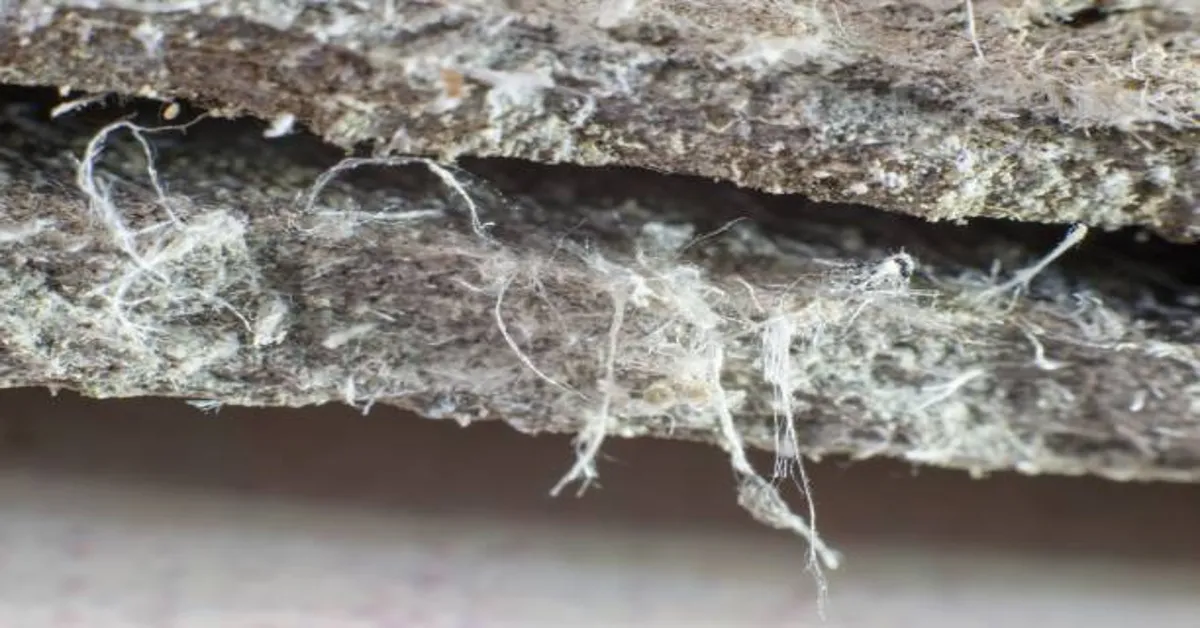
In the realm of occupational safety, environmental health, and industrial regulation, few substances have earned as notorious a reputation as asbestos. With its durable, heat-resistant, and fibrous qualities, asbestos was once celebrated as a miracle material. However, with time and research, it became evident that this fibrous mineral is also a silent killer. While asbestos in its raw or processed form is dangerous enough, a more insidious threat lies in its lint-like byproduct—a fine, dust-like fibrous material which we refer to here as Asbestlint.
Asbestlint represents one of the most hazardous states of asbestos material. Unlike solid or encapsulated asbestos that may remain inert unless disturbed, Asbestlint is highly mobile, often invisible to the naked eye, and prone to becoming airborne. This allows it to infiltrate lungs, settle into surfaces, and pose long-term health threats that may remain undetected for years. Understanding what Asbestlint is, how it forms, where it can be found, and how to manage its risk is essential not only for professionals working in demolition, renovation, and manufacturing industries but also for homeowners, environmental regulators, and public health authorities.
What is Asbestlint?
Asbestlint refers to the ultrafine, loose, and lint-like particles composed of asbestos fibers. These fibers, when fractured or shredded due to wear, weathering, cutting, grinding, or demolition activities, transform from solid mineral form into microscopic fragments. Unlike coarse asbestos, which may be visible or settled, Asbestlint remains airborne for extended periods and infiltrates areas far beyond the original disturbance site.
The term “lint” typically brings to mind soft fiber accumulations found in dryers or on clothes, and while Asbestlint may resemble this texture in loose clusters, its danger lies in its microscopic structure. These fibers are needle-like, insoluble, and capable of lodging themselves deeply within lung tissues. Because they are not easily expelled by the respiratory system, even minimal exposure over time can lead to chronic health conditions.
How Asbestlint Is Formed
Asbestlint is usually generated through mechanical disruption of asbestos-containing materials (ACMs). This includes a wide variety of building materials used extensively throughout the 20th century—insulation boards, ceiling tiles, fireproofing sprays, pipe lagging, cement sheets, and even textured paints. When these materials are disturbed, especially without proper containment or control, fine asbestos fibers are released into the air.
Key sources and activities that produce Asbestlint include:
- Demolition of old buildings: Tearing down structures built before 1990 often releases high concentrations of asbestos dust.
- Renovation and remodeling: Activities like sanding, drilling, or cutting ACMs can aerosolize fibers.
- Poor maintenance: Worn-out insulation or damaged asbestos boards can slowly shed fibers over time.
- Manufacturing mishandling: In factories that historically handled asbestos for brake linings, gaskets, or textiles, lint-like fibers often accumulated in air ducts and equipment.
- Fire or water damage: Sudden environmental stressors can cause previously stable asbestos to deteriorate rapidly, creating airborne fiber clusters.
Once released, these particles can linger in the environment for days or weeks if ventilation is poor and there are no containment measures in place.
Properties of Asbestlint
To understand the danger posed by Asbestlint, one must grasp its physical and chemical properties:
- Microscopic Size: Most asbestos fibers in lint form are between 0.1 to 10 microns in diameter, making them invisible and easily inhalable.
- Durability: These fibers do not degrade easily. They are resistant to heat, acids, and biological breakdown.
- Shape: The needle-like structure allows deep penetration into lung tissues and makes them difficult to expel through coughing or sneezing.
- Lightweight and Floatable: Due to their low density and high surface area, they can remain suspended in the air for prolonged periods.
- Static Cling: Similar to textile lint, Asbestlint has a tendency to cling to surfaces, clothing, and even body hair, increasing the likelihood of secondary contamination.
These properties make Asbestlint particularly insidious in both industrial and residential environments.
Health Hazards Associated with Asbestlint
The most serious consequence of Asbestlint exposure is its impact on human health. Inhalation of even a small amount of these fibers over time can lead to irreversible damage. Unlike many toxins that cause immediate reactions, Asbestlint affects the body silently over years or even decades.
1. Asbestosis
A chronic lung disease caused by the scarring of lung tissue. This scarring restricts lung capacity, leading to persistent cough, shortness of breath, and in severe cases, respiratory failure. It typically results from long-term exposure but can also occur in high-risk environments with poor air control.
2. Mesothelioma
A rare but aggressive form of cancer that primarily affects the lining of the lungs (pleura) or abdomen (peritoneum). There is a strong and direct link between mesothelioma and asbestos exposure. Asbestlint, due to its fine particulate nature, is considered a major risk factor for this disease.
3. Lung Cancer
Unlike mesothelioma, which is specific to asbestos, lung cancer has multiple causes. However, the presence of Asbestlint exposure greatly amplifies the risk, especially among smokers.
4. Pleural Plaques and Thickening
These are non-cancerous conditions but indicative of asbestos exposure. They involve the thickening or calcification of the lung lining and can impair lung function over time.
5. Ovarian and Laryngeal Cancer
There is growing evidence linking asbestos exposure to these cancers, as fibers can migrate through the body or be ingested through contaminated water or food.
Detection and Measurement of Asbestlint
Because Asbestlint is invisible and lacks odor, it cannot be detected without specialized equipment. Detection typically involves:
- Air Sampling: This involves drawing air through filters which are later examined under electron microscopy to detect fiber counts.
- Settled Dust Analysis: Dust swabs are analyzed to determine fiber composition.
- Real-Time Monitoring Devices: Advanced environments may use continuous air quality monitors, although they may not differentiate asbestos from other particulates without lab testing.
Legal exposure limits are extremely low in many countries, often less than 0.1 fibers per cubic centimeter of air, which reflects how dangerous even trace amounts can be.
Safety Measures and Prevention Strategies
Protecting individuals and environments from Asbestlint involves both proactive and reactive strategies:
1. Identification and Assessment
Before any demolition or renovation, buildings should undergo thorough asbestos surveys. Professionals use core sampling, visual inspections, and historical records to identify risk zones.
2. Controlled Removal
If asbestos is found, it must be removed by certified abatement professionals under tightly regulated conditions. These include sealing off work zones, using negative pressure enclosures, and applying wet methods to prevent fibers from becoming airborne.
3. Personal Protective Equipment (PPE)
Workers in high-risk environments must wear:
- Respirators with P100 filters or powered air-purifying respirators (PAPR)
- Disposable coveralls
- Gloves, goggles, and boot covers
Proper donning and doffing procedures are essential to prevent cross-contamination.
4. Environmental Controls
Ventilation systems should be equipped with HEPA filters, and all waste must be sealed, labeled, and disposed of at approved facilities.
5. Education and Training
Employers must train workers to recognize asbestos hazards, use protective equipment correctly, and understand the implications of unsafe exposure.
Legal and Regulatory Context
Most industrialized nations have enacted strict laws regarding asbestos exposure:
- United States: The Environmental Protection Agency (EPA) and Occupational Safety and Health Administration (OSHA) regulate asbestos through various laws, including the Clean Air Act and the Asbestos Hazard Emergency Response Act.
- European Union: Use of asbestos is banned, and detailed directives guide handling in existing structures.
- Australia, Canada, and Japan: Have banned asbestos and enforce mandatory reporting and abatement rules.
While regulations exist, enforcement can be inconsistent, particularly in developing countries where Asbestlint continues to be a significant environmental and health issue due to poor oversight and lack of awareness.
Environmental Impact of Asbestlint
The dangers of Asbestlint extend beyond human health. When these particles settle in soil or water, they contaminate ecosystems:
- Soil Contamination: Asbestlint can remain in topsoil for decades, entering food chains through vegetation or inhaled by animals.
- Water Pollution: Fibers washed into water bodies through rain or improper disposal can contaminate drinking sources.
- Air Pollution: Ambient Asbestlint, especially in urban redevelopment zones, contributes to local air pollution and environmental degradation.
The cost of remediation, both financially and ecologically, is high and often borne by public institutions when private companies shirk responsibility.
Future Outlook and Emerging Technologies
The legacy of asbestos will linger for decades due to its widespread historical use. However, emerging technologies are offering hope:
- Nanotechnology: Some startups are developing nanomaterials that can bind and neutralize asbestos fibers.
- Bioremediation: Experimental efforts explore using fungi or bacteria that can encapsulate or degrade asbestos in soil.
- Smart Monitoring: IoT-based sensors integrated with AI are being designed to detect micro-particles like Asbestlint in real time, allowing proactive containment.
Education, innovation, and enforcement must work in tandem to address this invisible threat.
ALSO READ: FintechZoom.com Crypto ETF: A Deep Dive into the Future of Digital Asset Investments
FAQs about Asbestlint
1. What is Asbestlint, and how is it different from asbestos?
Asbestlint refers specifically to fine, lint-like asbestos fibers that become airborne during damage or disturbance. Unlike solid asbestos, Asbestlint is more dangerous due to its microscopic, breathable nature.
2. Where is Asbestlint commonly found?
It is typically found in older buildings during renovations or demolition, especially where asbestos insulation, ceiling tiles, or boards are disturbed without proper safety controls.
3. How dangerous is exposure to Asbestlint?
Exposure is highly dangerous. Inhaled fibers can lead to chronic diseases such as mesothelioma, lung cancer, and asbestosis—even decades after exposure.
4. How can one detect Asbestlint in the environment?
Detection requires air sampling and laboratory analysis using electron microscopes. There are no consumer-grade tools that can accurately detect Asbestlint on their own.
5. What should I do if I suspect Asbestlint in my home?
Do not disturb the area. Contact certified asbestos professionals for assessment. Avoid sweeping, vacuuming, or dusting, as this may spread the fibers further.